Victoria had one bird flu case on Thursday. It has seven today, and the shearwaters land in seven weeks.
Six more cases were confirmed in Victoria on Monday, four days after the state's first, as Australia recorded its first mass bird flu mortality event.
Victoria had one confirmed case of H5 bird flu on Thursday.
It has seven.
Six more were confirmed on Monday, and a cluster of sick and dead greater crested terns found in the state's southwest is still being tested.
The national count has moved the same way.
Twenty-eight detections on July 30.
Seventy-eight now, with another 49 suspected.
South Australia holds 58 of them.
Australia also recorded its first mass mortality event on Monday, after a large group of dead and sick greater crested terns at Baudin Rocks in South Australia tested positive.
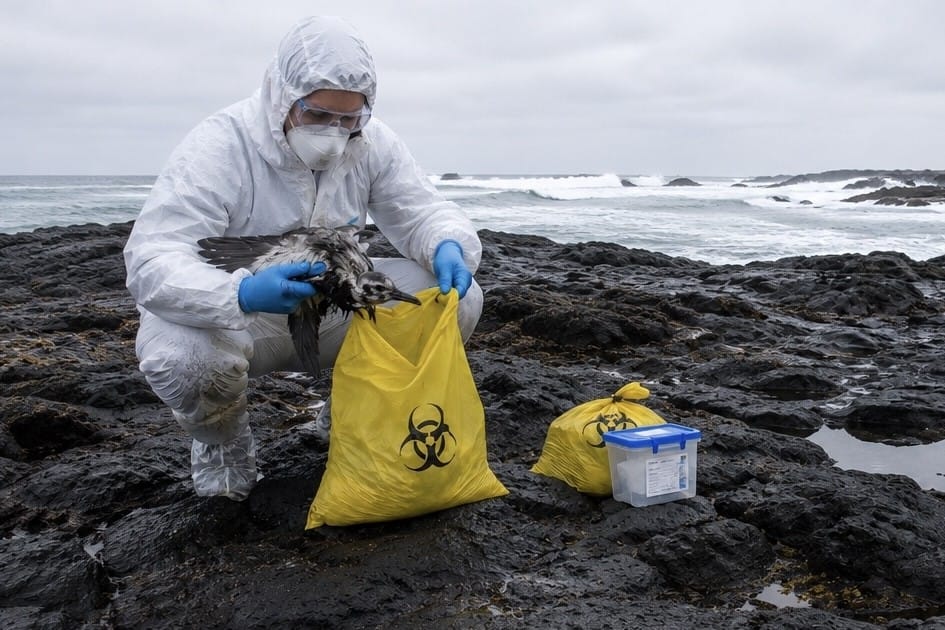
BirdLife Australia's Sean Dooley said the conditions were lining up.
“It's the perfect mix for the virus to spread and do maximum damage,” he told AAP.
Silver gulls are the mechanism.
They feed on carrion, they are everywhere, and they move.
A gull near Robe in South Australia tested positive on Saturday.
Waterbirds are next, because they congregate and breed in large flocks.
A predicted super El Niño is expected to dry out the wetlands they rely on, concentrating them into fewer and fewer of them.
“They become potential super-spreader events,” Mr Dooley said.
Genetic testing on black swans, which exist nowhere else on earth, found the species completely naive to the virus.
Environment Minister Murray Watt said the spread would be confronting.
“The reality is you can't stop native and wild birds flying around, you can't stop wild animals moving around, and that will mean more mass mortality events like the one we have now seen,” he said.
For Victoria the clock is the thing.
About 1.4 million short-tailed shearwaters are due on Phillip Island around September 24, after a 15,000-kilometre migration from the Aleutian Islands off Alaska.
That is seven weeks away.
The Summerland Peninsula holds about 40,000 breeding little penguins, the largest colony of the species in the world.
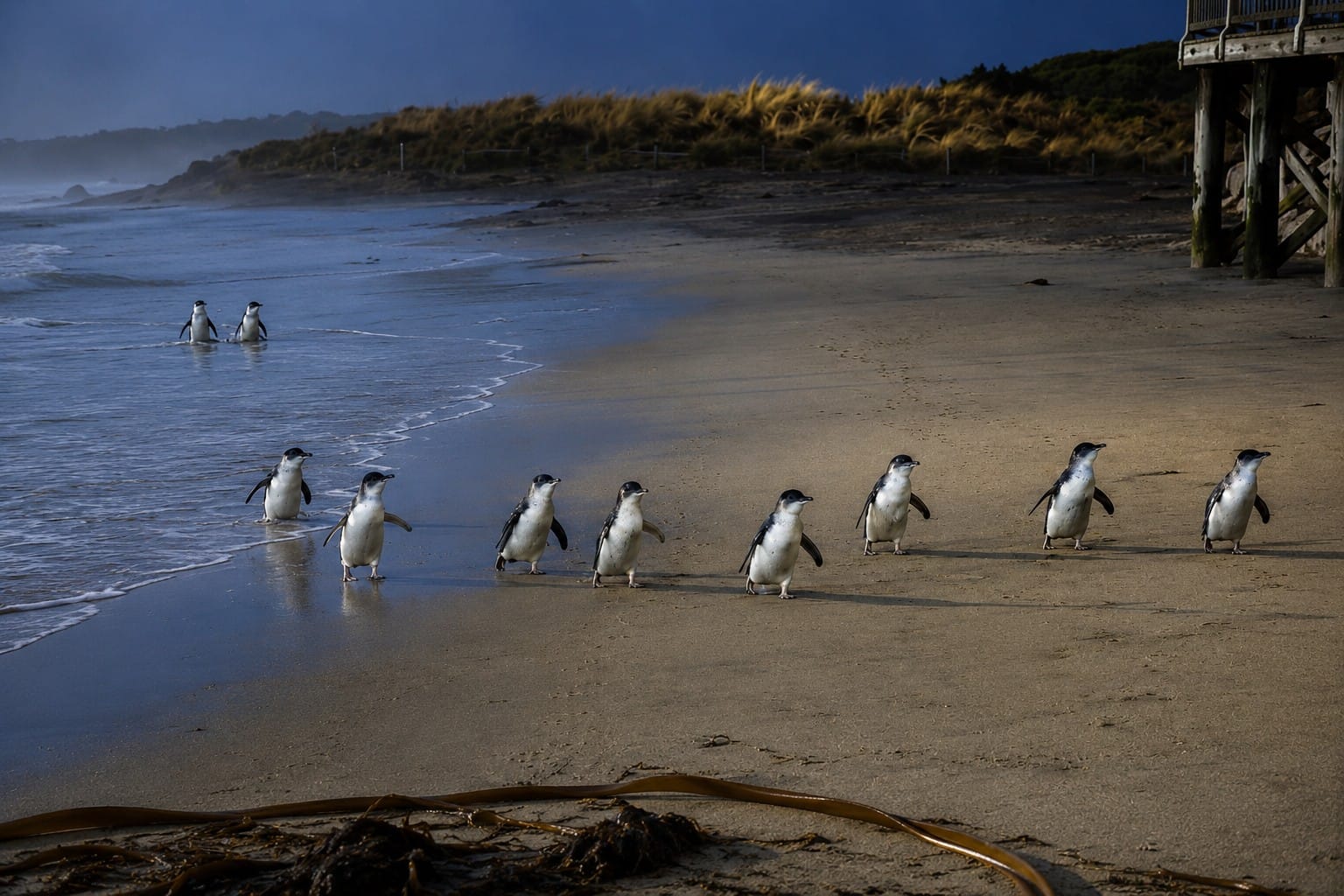
One of Australia's biggest fur seal colonies sits offshore at Seal Rocks.
Phillip Island Nature Parks has been planning for the virus since 2023 and has an avian influenza response plan running, with monitoring stepped up across the penguin and seal colonies and migratory shorebird areas.
There are still no H5 detections in Australian poultry.
Federal Agriculture Minister Julie Collins would not rule one out.
The Commonwealth has spent more than $113 million on preparedness.
Authorities say the risk to human health remains very low.
Agriculture Victoria is asking Victorians not to touch sick or dead wild birds and to report clusters of five or more on 1800 675 888.