The test crashed on writing day. Now ministers want to bring back pen and paper.
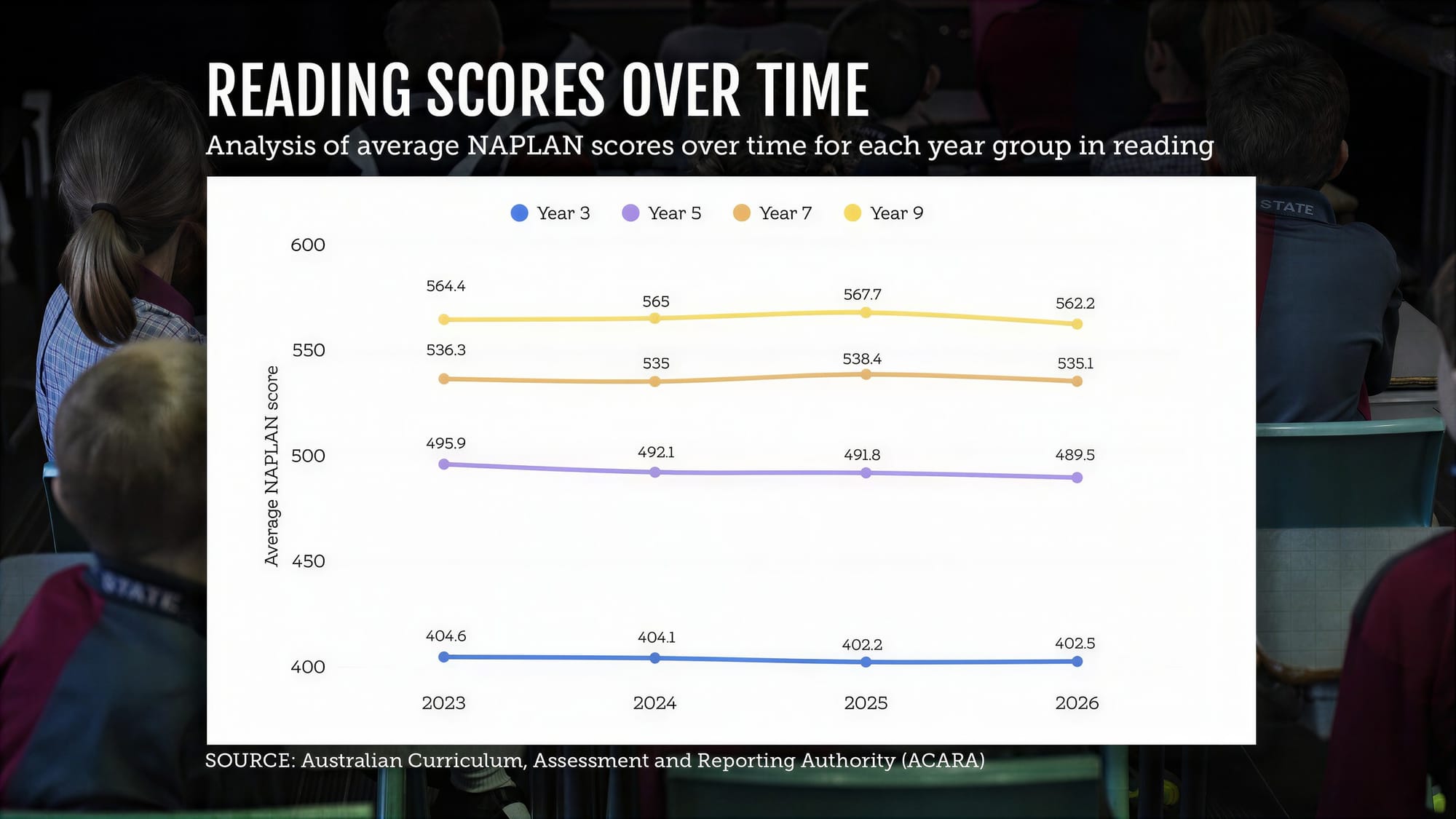
Reading fell in Years 5, 7 and 9 while Year 3 numeracy hit its lowest average since the test was reset in 2023.
Education ministers are considering a return to pen and paper after the 2026 NAPLAN results landed with reading down and Year 3 numeracy at its worst since the test was reset.
Numeracy in Years 5, 7 and 9 is the highest since 2023, according to Wednesday's national report from the Australian Curriculum, Assessment and Reporting Authority.
Reading in those same three year levels went the other way.
Two in three students nationally reached “strong” or “exceeding”.
One in 10 sat in “needs additional support” in every year group and every domain.
“The drop in Year 3 numeracy results is clearly concerning,” ACARA chief executive Stephen Gniel said.
Federal Education Minister Jason Clare pointed at phones.
“Some of the writing results today make me wonder whether young people today are spending so much time writing texts, short messages rather than long form paragraphs that it's having an impact on their writing,” he told reporters in Sydney.
NSW Deputy Premier and Education Minister Prue Car said digital exams were pushing some schools to bring computers into the curriculum earlier.
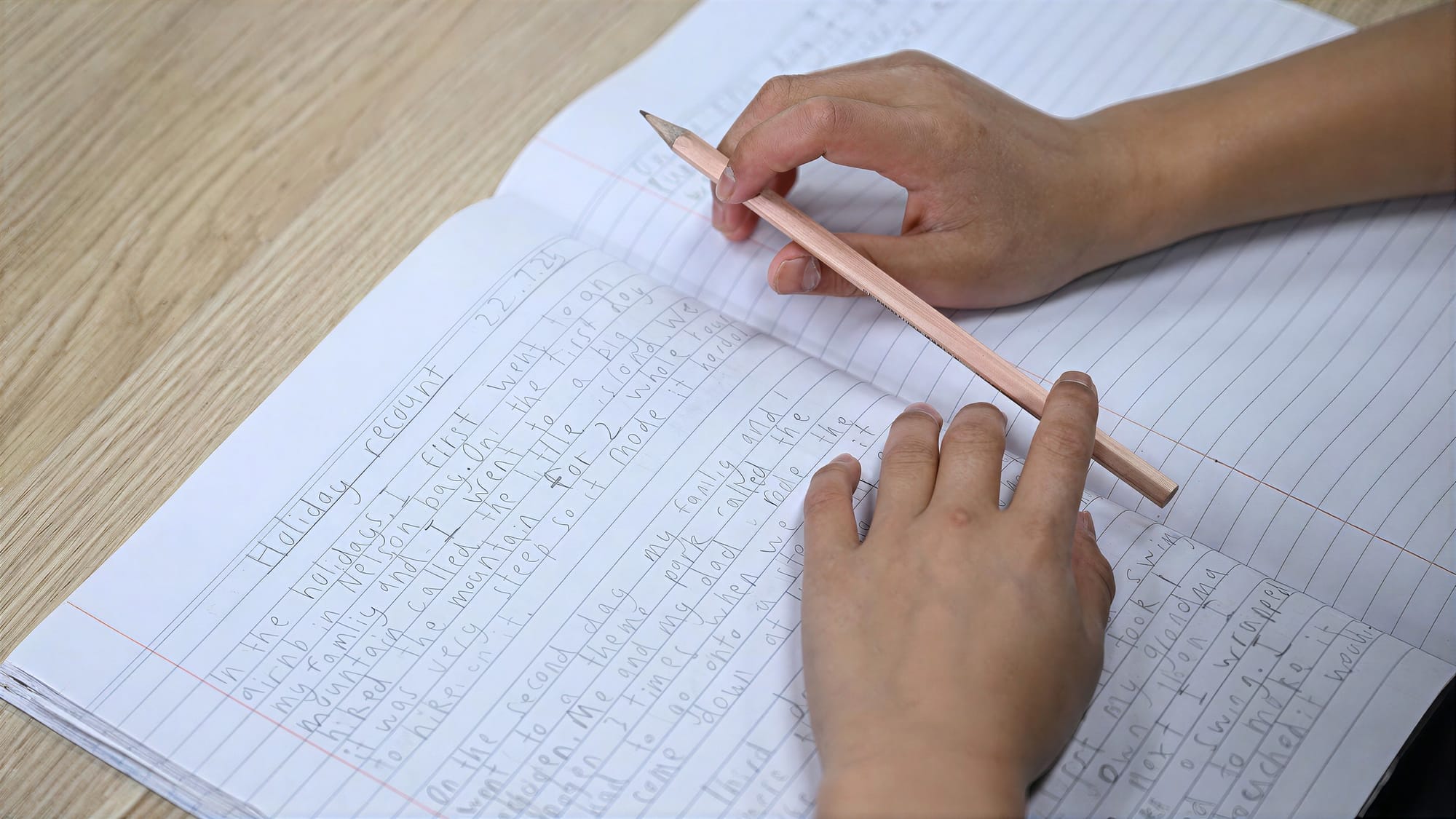
“I'm really keen to see what comes back about pen and paper because I think that it may show that that may be a good way forward,” Ms Car said.
NAPLAN has been fully digital since 2022, everything but Year 3 writing.
On March 11 the platform collapsed within minutes of more than 1.3 million students logging on. It was writing day.
ACARA says the server error had no obvious or real impact on the writing test. It flagged this year's writing results anyway.
That is the screen problem being debated. Nobody floated a fix for the other one.
The Smith Family supports 72,000 students, and 44 per cent of them have no connected laptop at home.
“Now that's not their own laptop. I'm talking about there being no laptop at home that's digitally connected,” chief executive Doug Taylor said.
Earlier data shows a hard literacy gap between wealthy, educated areas and low socio-economic ones. Those are the children in the bottom band.
In Victoria the same numbers were a victory lap: first or second in 16 of 20 measures, the lowest rate in the country needing additional support, and a release headlined “Victoria Tops The Class Again”.
Ruby, whose surname AAP agreed not to publish, opened her son Mark's results with him watching. Mark has ADHD and autism and needs extra support at school.
“In his reading column ... it actually said the bottom, bottom. I just thought to myself, ‘how could it be right at the bottom when he's improved so much?’,” she told AAP.
“I just wish there was more people, just more at the school to help,” she said.