Queensland fined 420 e-scooter riders in a fortnight. One lasted seven minutes.
Queensland's new e-mobility laws have seized more than 100 devices and issued 420 fines in twelve days while Melbourne, which embraced share scooters then binned them, threw most of them in the river.
Queensland's new e-mobility laws are twelve days old.
In that time police have issued more than 420 fines, seized over 100 illegal devices, and charged seven riders with drink-riding.
One Brisbane man was breathalysed seven minutes after the laws came into effect.
The crackdown, running under Operation Yankee Surety, targets modified and illegal e-scooters and e-bikes, speeding, drink-riding, helmet offences and riders too young to be on the devices.
Of the 420-plus infringement notices, 243 were for riding without a helmet.
Police have carried out more than 120 roadside breath tests since the laws began on 1 July.
Riders caught under the influence face fines of up to $6,908.
On the Sunshine Coast, officers allege they watched a 16-year-old run a red light, pull a wheel stand and weave through traffic at Buddina on 7 July, before following him to a nearby business and finding he was on a non-compliant e-motorcycle rather than a legal e-bike.
His device was seized.
Two riders were charged doubling down a main road in Rockhampton, neither wearing a helmet.
The laws limit e-mobility devices to 12km/h on footpaths, and riders must be at least 16 or supervised by a parent.
From 31 August, riders will also need a licence or learner's permit, with $518 fines for anyone caught unlicensed, doubling, or riding carelessly.
“The free ride is over,” Police Minister Dan Purdie said.
Assistant Commissioner Rhys Wildman said officers had already seen a “huge reduction” in illegal devices, and that the Queensland community had “stepped up and changed their behaviours” in a matter of days.
Melbourne got there earlier.
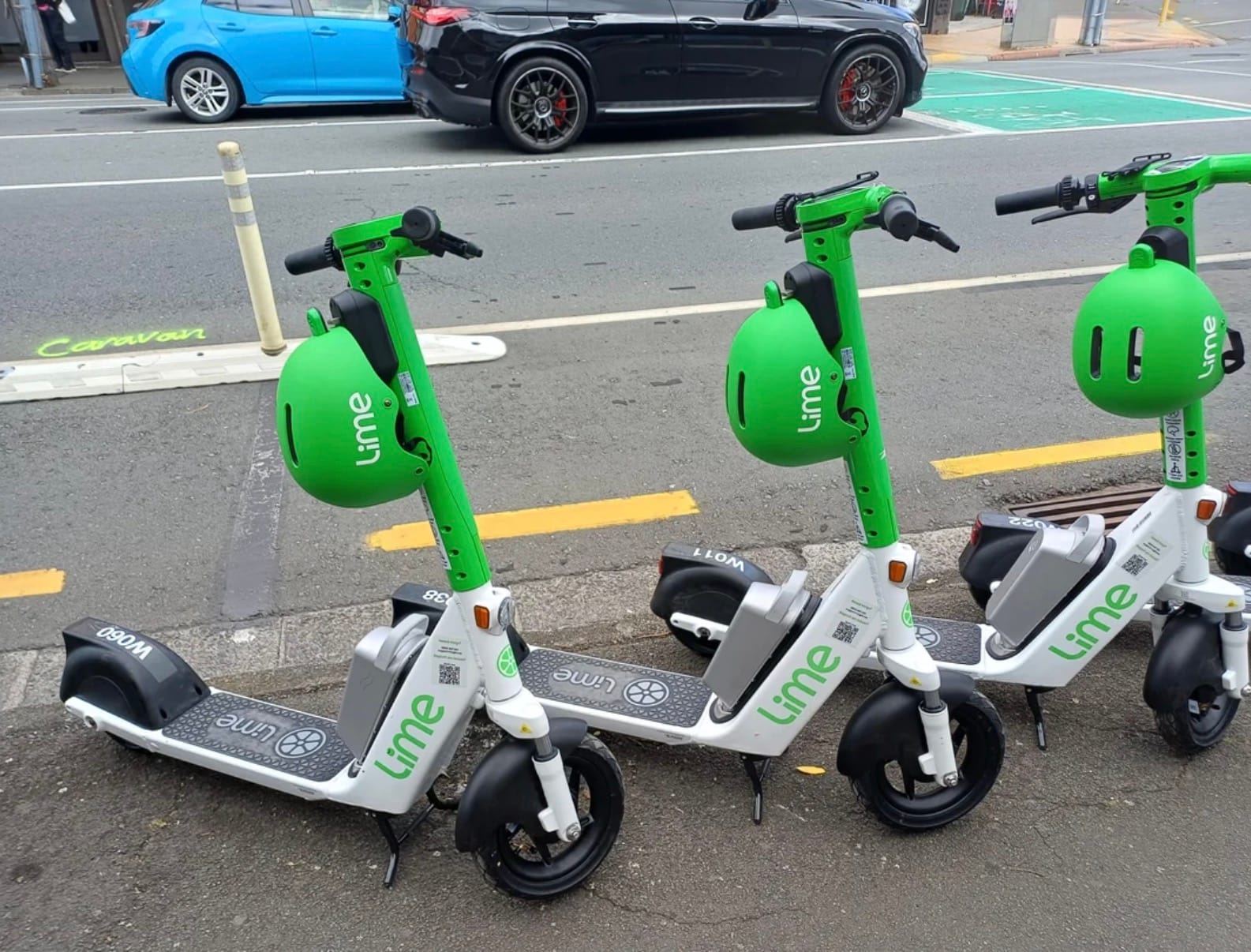
Victoria ran one of the world's most-praised share-scooter trials, launched in 2022 with Lime and Neuron, hitting a million trips in four months when London took a year to do the same.
By the end, more than nine million trips had been logged, almost a third of them replacing car journeys.
Then the city did what Melbourne does with anything left unattended near water.
It threw them in the Yarra.
Abandoned share scooters and share bikes being fished out of the river became such a fixture that, back in the O-Bike days, crews were reportedly hauling thirty or more out on some days.
The Royal Melbourne Hospital was seeing twenty to thirty e-scooter injuries a month, and by 2022 was putting the cost to the hospital at over $1.9 million a year.
In August 2024 the City of Melbourne cancelled its contracts with Lime and Neuron and banned share scooters from the CBD outright.
Yarra effectively did the same by hiking operator fees 400 per cent; the companies walked.
The share scheme is gone from central Melbourne. The scooters themselves are not.
Victoria permanently legalised e-scooters statewide from October 2024, so private devices are still perfectly legal to own and ride.
The rules: a helmet, no footpaths, at least 16 years old, no drink-riding, a 20km/h limit, and roads no faster than 60km/h.
Share hire survives only in council areas that still want it — not the City of Melbourne.
Which leaves the two states in almost opposite corners.
Queensland is a fortnight into the toughest e-mobility enforcement in the country.
Melbourne already had the scooters, decided it was done, and let the river sort out the rest.