Police say they’ve caught the 20-year-old running a tobacco empire from his bedroom. The empire remains.
The arrest of an alleged syndicate figure is Melbourne’s most consequential yet. The federal settings that built the black market he allegedly served are untouched.
Police say they have arrested the young man who was tasking out Melbourne’s tobacco firebombings from his family home in Essendon.
Jesse Hadchiti, 20, faced court on Tuesday charged with extortion, kidnapping, false imprisonment, aggravated home invasion and recruiting a child to commit crime, among other offences.
Detectives allege he was a high-ranking figure in the syndicate linked to deported crime boss Kazem Hamad, directing offenders through encrypted apps under the handle “Commbank” — a name police say he chose for the amount of money he was moving.
He allegedly had around 2,000 “taskers” at his disposal.
Detective Inspector Graham Banks called it the most consequential arrest since Operation Eclipse began, and said the charges were “the tip of the iceberg.”
It is a genuinely striking arrest. A 20-year-old who, police allege, described himself as an ordinary kid who goes to the gym and runs an empire from his home.
But hold the arrest up against the thing it is meant to address, and the scale becomes clear.
The illicit tobacco trade in Australia is worth an estimated $10 billion a year.
Legal packs approach $60. Illegal ones sell for around $15.
That gap is the whole business. So long as it exists, there is a fortune in selling untaxed product, and more than enough money to pay teenagers a few hundred dollars to torch a rival’s shop.
In Victoria the number of tobacco retailers has gone from about 200 in 2017 to roughly 1,400 today.
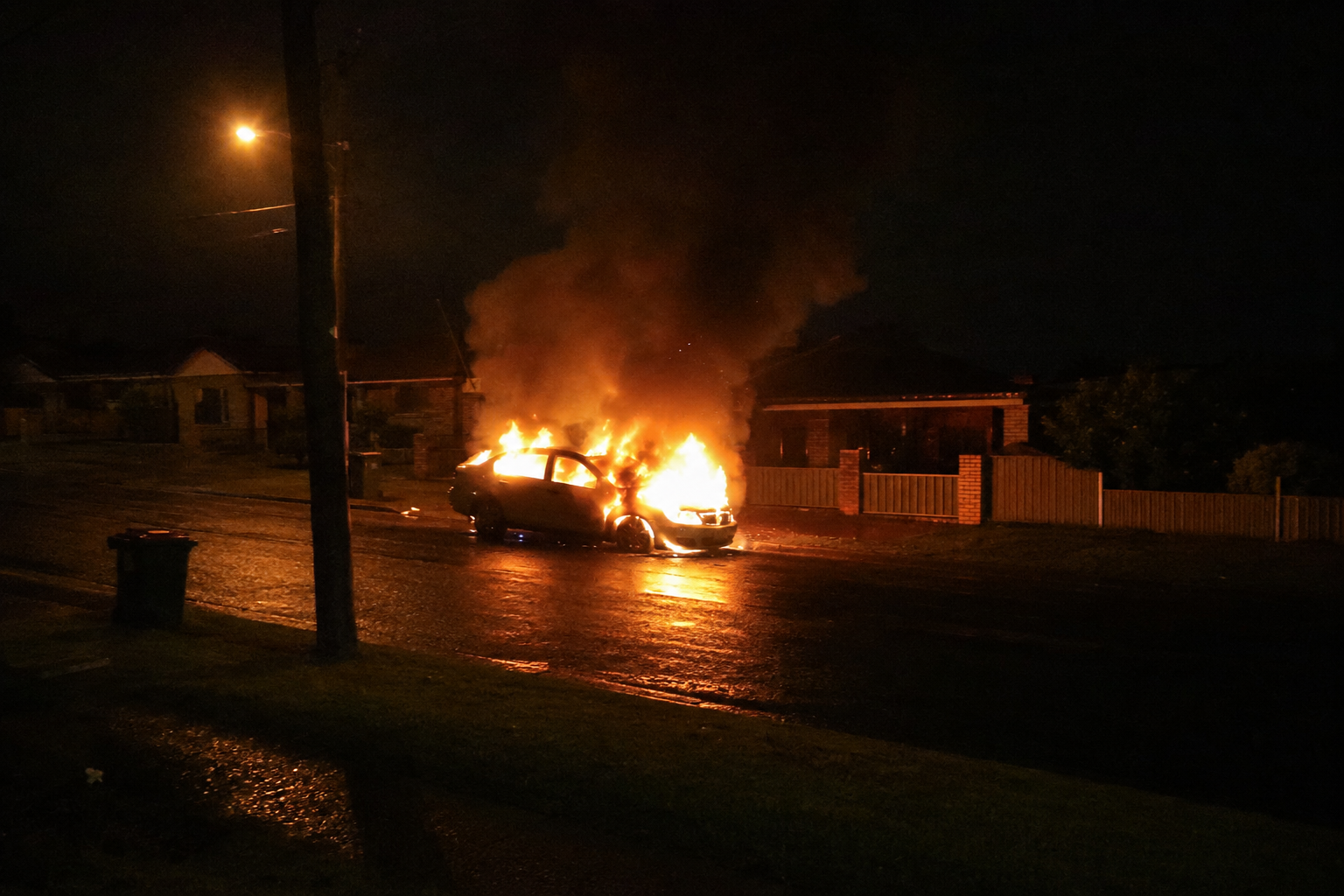
Since March 2023, arson attacks tied to the trade have pushed past 200, almost all of them in Melbourne.
One arrest, however significant, does not touch those numbers. The distribution networks are flat and replaceable by design — take one operator out and another fills the space within weeks.
This is the same wall the states have been hitting for three years.
As The Glass has reported, Victoria has brought in the toughest tobacco penalties in the country, boarded up shops, and moved to fine landlords who rent to the trade. Victoria Police have run hundreds of raids and seized tens of millions in cash and product.
All of it lands on the retail end of a market whose economics are set in Canberra.
The two levers that actually shape the trade — the excise that opens the price gap, and the failed pharmacy vape scheme that handed the black market a second product line — remain exactly where they were.
The federal government still says there is no evidence a price cut would help.
So Victoria Police will keep making arrests, and some of them, like this one, will be significant.
They will keep being made at the bottom of a market the country has decided not to fix at the top.