Overdose deaths are climbing again and the drugs driving it have no treatment
More than 2000 Australians died of a drug overdose in 2024, with cocaine deaths up 40 per cent and amphetamine deaths up 29 per cent.
More than 2000 Australians died of a drug overdose last year, and for the first time since 2017 the national death rate went up rather than down.
The latest Drug Trends reporting from the National Drug and Alcohol Research Centre at UNSW Sydney puts the 2024 figure at 2005 drug-induced deaths, excluding alcohol and tobacco.
That is 7.3 deaths per 100,000 people, up from 6.8 the year before, and about five and a half people every day.
Hospitals recorded nearly 57,000 drug-related admissions in 2023-24 — 156 a day, a 10.5 per cent increase on the previous year.
Just over half of those admissions were people aged 20 to 39.
The reversal is not being driven by heroin.
Opioids remain the leading drug class identified in overdose deaths, but opioid deaths have been falling since about 2017, because effective treatments for dependence and overdose exist and Australia hands them out.
The rise came from a 29 per cent jump in deaths involving amphetamine-type stimulants and a 40 per cent jump in cocaine deaths.
Associate Professor Amy Peacock, the centre's deputy director and its Drug Trends program lead, said the emerging patterns were a major public health concern.
"There are indications that suggest that cocaine and methamphetamine availability are increasing in Australia and internationally and we are seeing changes in patterns of use," she told AAP.
"There is a risk there that we could see these harms increase."
Methamphetamine remained a significant challenge for prevention, treatment and harm reduction and should not be viewed as a problem of the past, she said.
That is where the gap sits.
"Unfortunately for methamphetamine and cocaine we don't have the same array of treatment options available," Prof Peacock said.
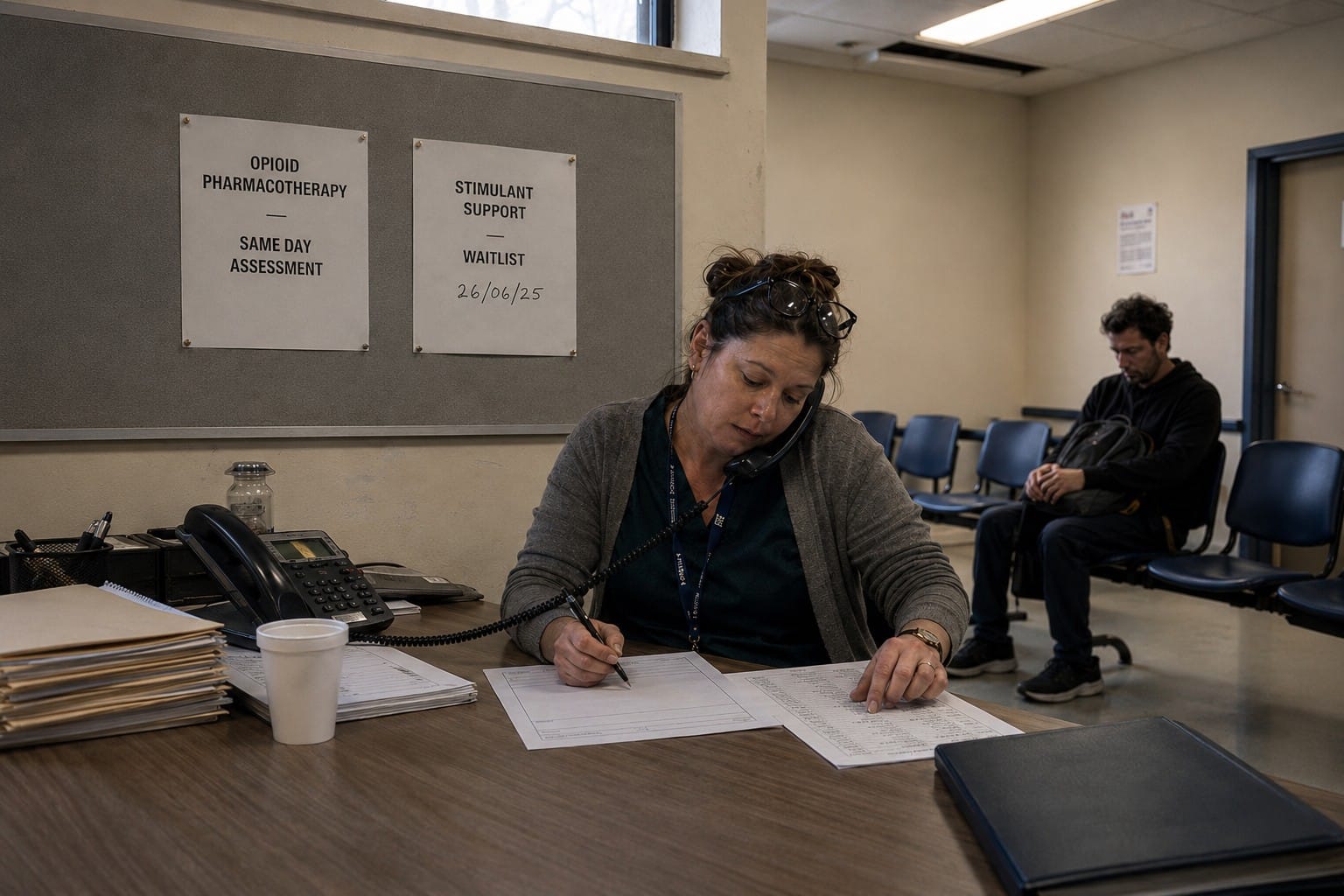
The priority, she said, was investing in effective treatment for stimulant dependence and making sure people could get to it when they needed it.
"The sooner we respond to these changing patterns of drug-related harm, the greater our opportunity to prevent avoidable deaths and hospitalisations," she said.
The decline in overdose deaths since the 2017 peak of 8.2 deaths per 100,000 had "well and truly stalled", Prof Peacock said.
The report also found males accounted for 66 per cent of overdose deaths, and that 73 per cent of cases involved two or more drug classes.
The most common psychosocial risk factor recorded was a personal history of self-harm, noted in about one in eight deaths.
The 2024 numbers are preliminary and the researchers expect them to rise as the data is revised.
National Alcohol and Other Drug Hotline: 1800 250 015