One Nation wants the tobacco tax cut 75 per cent. Nicotine consumption is already up 40 per cent since 2017.
The Nationals have taken more than $600,000 from Philip Morris, and a British American Tobacco lobbyist was One Nation's biggest Queensland donor in 2019.
One Nation wants to cut the tobacco excise by 75 per cent and freeze indexation for three years, taking close to $30 off the price of a packet of cigarettes.
Pauline Hanson says the tax has failed and is funding organised crime.
"Cut the tax. Smash the black market. Cut off the cash for organised crime," she wrote on social media.
The excise adds $1.53 to every cigarette, or about $2500 for each kilogram of tobacco, according to the Australian Taxation Office.
Another rise is due in September.
The numbers behind it are real.
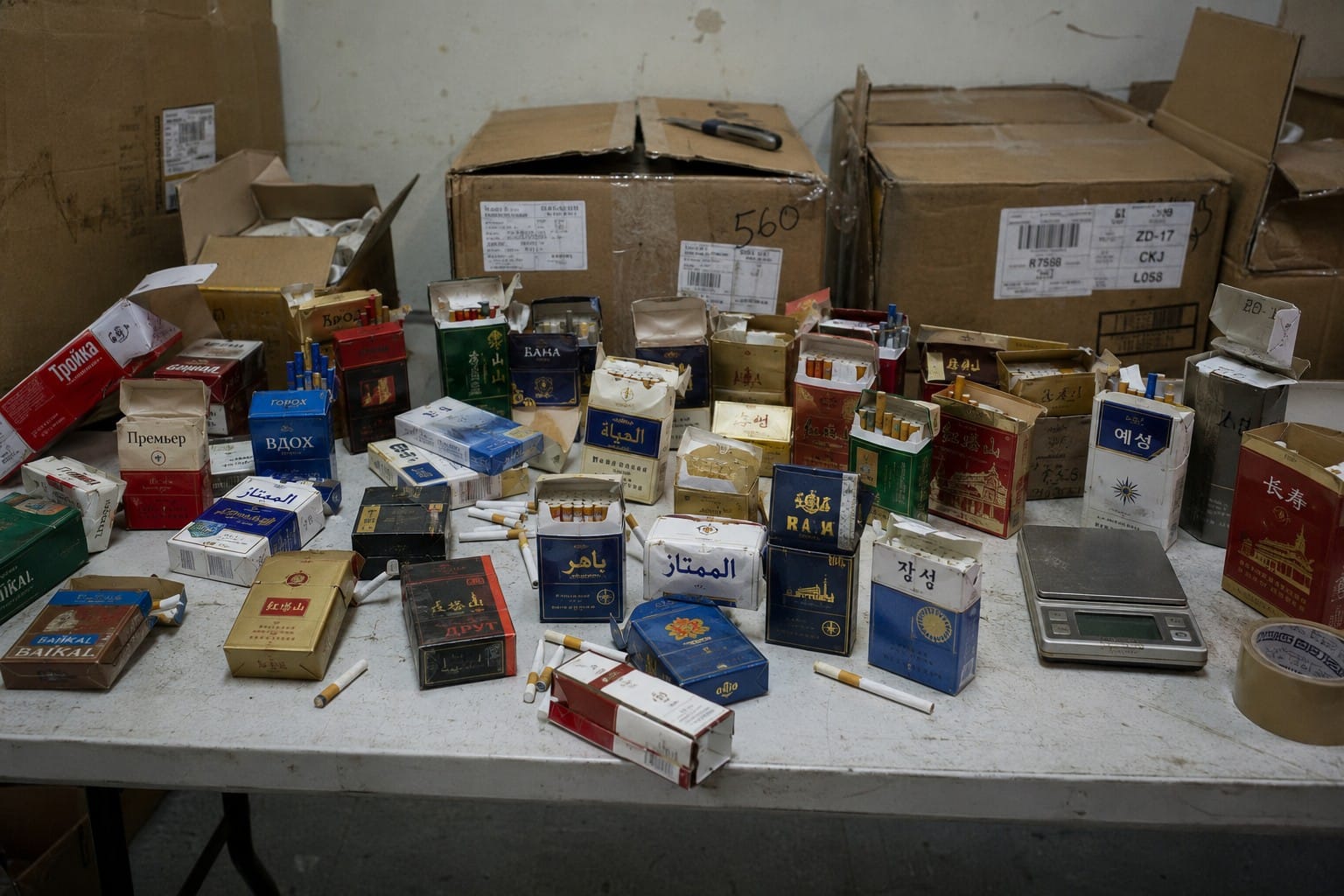
The Australian Bureau of Statistics estimates illicit product made up 80 per cent of all tobacco consumed here last year, up from 12 per cent in 2017.
Treasury has written $8 billion off expected tobacco revenue.
Victoria Police have recorded more than 200 arson attacks tied to Melbourne's tobacco wars in three years.
Federal New England MP Barnaby Joyce, who defected to One Nation, says the only way to beat the criminals is to bring legal prices down to meet illegal ones.
"More young people have access to more affordable cigarettes, and we don't want that," he told the ABC.
Cheaper legal cigarettes are cheaper cigarettes.
There is money moving the other way too.
Labor stopped taking tobacco industry donations in 2004 and the Liberals followed about a decade later. The Greens have never taken them.
The Nationals never stopped. Philip Morris has given that party more than $600,000 since 1998-99, including $55,000 for top-tier membership in 2019-20.
Strategic Political Counsel, a lobbying firm whose clients include British American Tobacco, was the largest disclosed donor to One Nation's Queensland branch in 2019.
Joyce spent two decades in the Nationals.
There is also a number missing from the whole debate.
Total nicotine consumption has risen almost 40 per cent since 2017, on the same bureau figures everyone quotes for the 80 per cent. Legal tobacco consumption has fallen to less than a third of its 2017 level.
So the tax moved the market. It did not move the habit.
The official smoking rate keeps falling — daily smoking was 5.6 per cent last year, down from 8.3 per cent in 2022-23 — because the data counts a product people have stopped buying legally.
Illicit tobacco is 80 per cent of what is smoked but under 40 per cent of what is spent. Cheap enough to smoke more of.
The Victorian election is on November 28, and One Nation has made the firebombed shopfronts of Melbourne a campaign.
A 75 per cent cut would make legal cigarettes cheap again. That is the pitch, and it is also the problem.