Meta kills its Instagram AI tool after three days, admitting it “missed the mark”
The opt-out tool let anyone turn a stranger’s public Instagram photos into AI images and SAG-AFTRA told members to protect their likeness
Meta has scrapped an AI feature just three days after launching it, after a wave of backlash over a tool that let anyone generate images from public Instagram accounts without asking.
The feature, part of Meta’s new Muse Image model, let users create AI images by @-mentioning any public Instagram profile — turning a stranger’s photos into raw material for a generated picture.
It was on by default.
Every public account belonging to a user over 18 was automatically available as a reference, unless the user dug into their settings and manually opted out. Users were not told if their images had been used.
“We’ve heard the feedback that this feature missed the mark, so it’s no longer available,” Meta said in a statement on Friday.
The company said its intent had been to give people a creative tool and control over whether their public content could be referenced.
That is not how the backlash read it.
The tool drew immediate criticism from Instagram users and, loudly, from Hollywood. The main US actors union urged its members to opt out and protect their likeness.
“Anything other than a clear and conspicuous opt-in for these types of uses of Instagram users’ images is unacceptable, and an utter miscalculation of public sentiment regarding the obvious dangers and harms inherent in such use,” the union said.
Hollywood talent agency Creative Artists Agency joined the criticism, arguing no one’s name, image, likeness or voice should be used by any third party, including AI models, without documented consent.
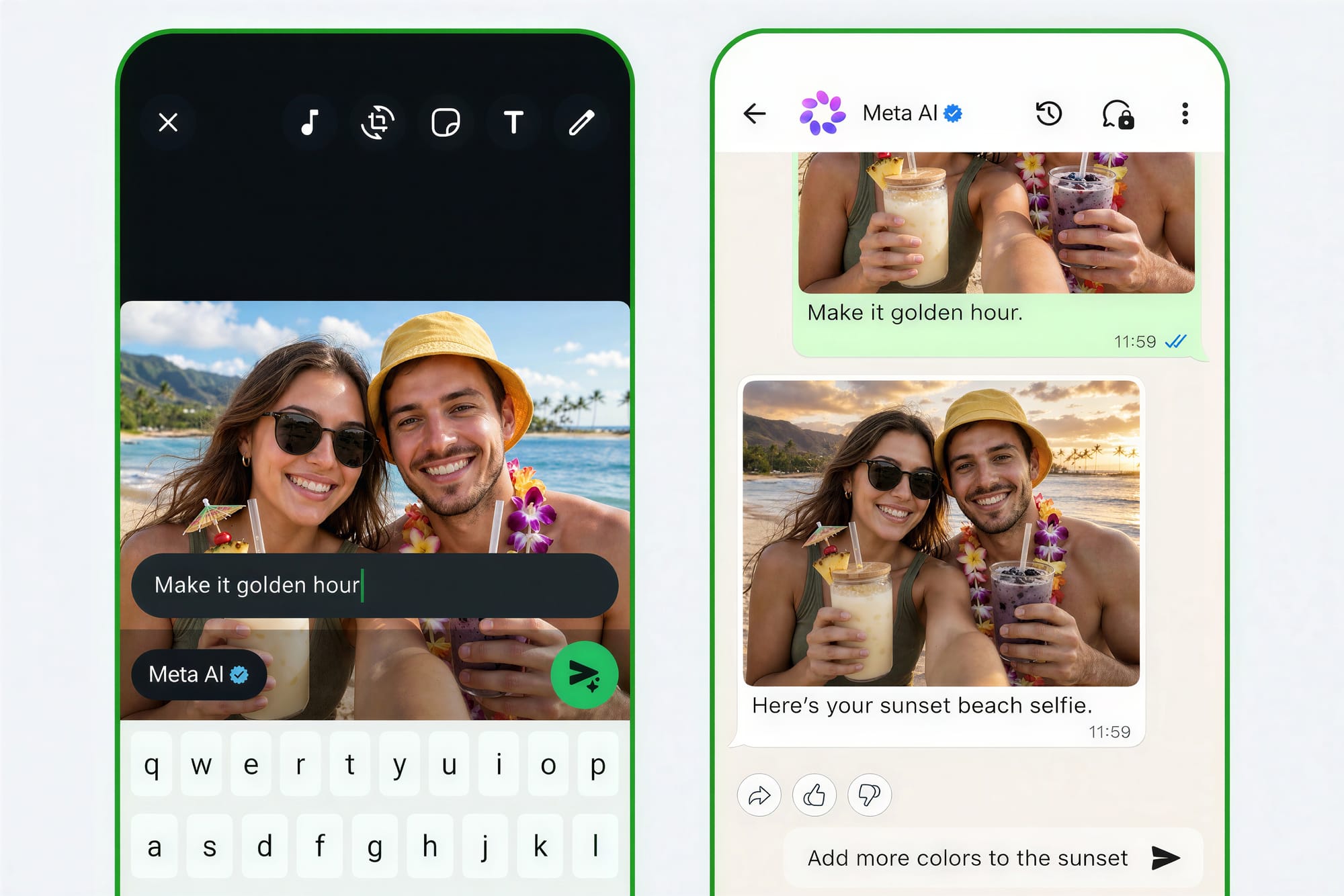
Meta initially defended the feature.
The company said it had built Muse Image with strong controls and safety guardrails, that private accounts and under-18s were excluded, and that adults with public accounts could opt out “with just a couple clicks”.
Days later, it pulled the feature entirely.
The union welcomed the reversal.
“With the dangers of non-consensual digital replicas well known to all, a feature that encouraged that behaviour is unwise,” a union spokesperson said.
“We appreciate its discontinuance. It is the responsible thing to do.”
The retreat follows an almost identical episode with OpenAI, whose Sora 2 video model launched last year with an opt-out system for people’s likenesses, drew the same criticism, and was eventually shut down.
Muse Image itself remains — Meta has only removed the ability to pull from Instagram accounts without permission. The company had teased an expansion of the tool to Facebook and a video model, Muse Video.
The three-day backtrack is the latest sign of the pressure on technology companies to give people real control over how their faces and posts are fed into AI.