Meta goes on trial this week over children with damages it estimates at $1.4 trillion
Four states say Meta built Facebook and Instagram to hook young users. The company's own settlement offer was $4 million.
Meta goes on trial in California this week over allegations it designed Facebook and Instagram to keep children scrolling, in a case the company says could cost it $1.4 trillion.
That figure is Meta’s own estimate. Its market value is about $1.5 trillion.
The company calls the number "outlandish", with "no basis in fact or law" and "no analog in the history of consumer protection enforcement".
Jury selection began on Wednesday in a federal courtroom in Oakland. Opening arguments are due on 18 August and the trial is expected to run about seven weeks.
Four states — California, Colorado, Kentucky and New Jersey — argue Meta built features it knew would hook young users, and told parents the apps were safe while its own research said otherwise.
A bipartisan coalition of 29 states brings a second set of claims: that the company harvested data on children under 13 in breach of federal privacy law.
The states reach $1.4 trillion by stacking statutory penalties for each individual breach. Meta says that counts the same teenagers over and over.
Chief Judge Yvonne Gonzalez Rogers, who also presided over Elon Musk’s suit against OpenAI, has been unimpressed by both sides.
She called the states’ proposed penalties extreme. She also noted that Meta’s counter-offer of $4 million was underwhelming for a business of its size.
Rogers will decide the case herself, most likely in October. She has taken the unusual step of empanelling an advisory jury to answer specific questions, which she is free to disregard.
The money may be the least of it.
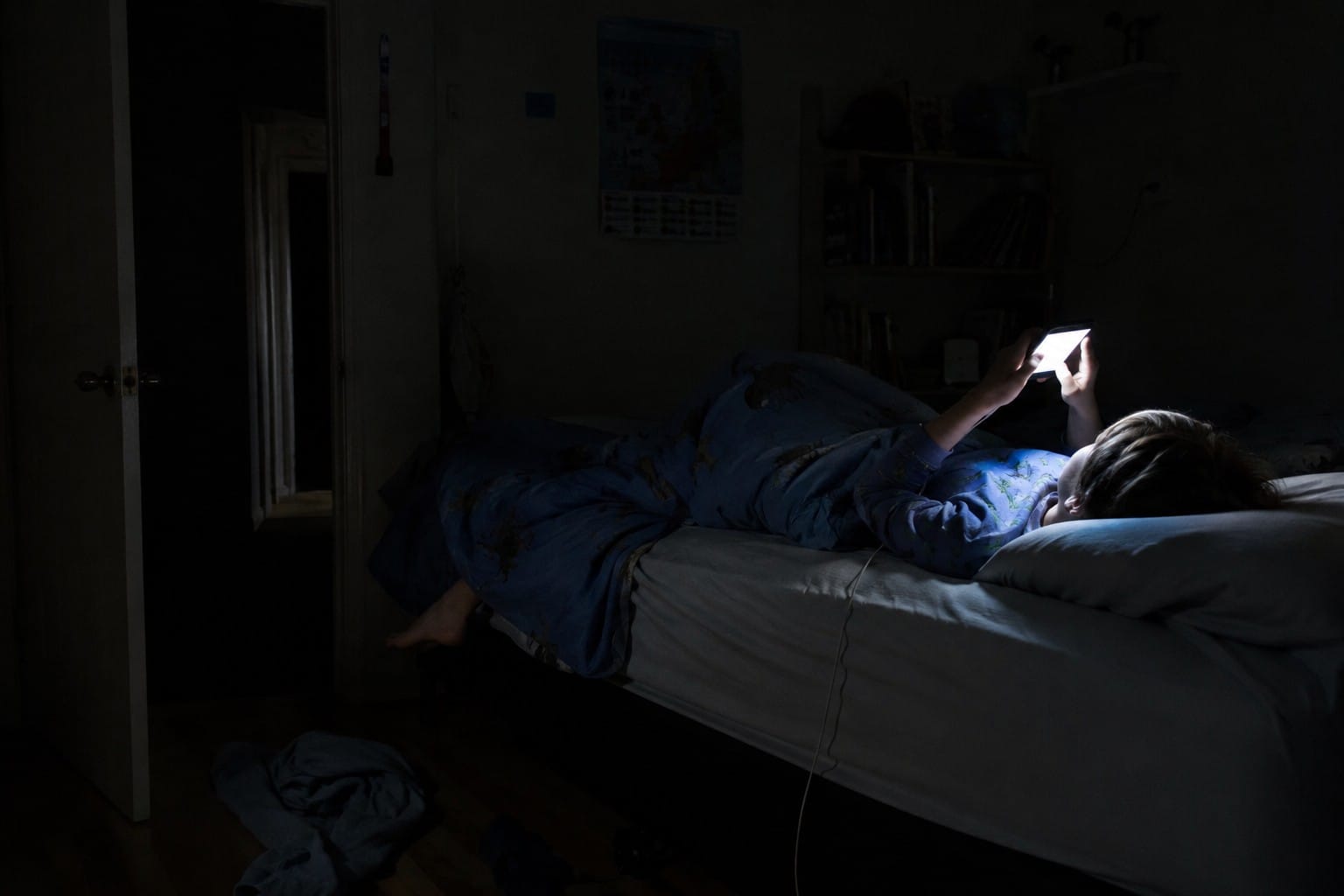
The states also want the court to order design changes: age restrictions, time limits for young users, an end to infinite scroll and constant notifications, an algorithm retuned to prioritise wellbeing over engagement, and the deletion of AI models trained on children’s data.
For a company whose business is attention, that is the sharper threat.
It is broadly the same list of features the Australian government named in March when it widened its under-16 rules.
Meta disputes all of it. It says it has spent years building protections and consulting parents, experts and law enforcement.
It also argues that "social media addiction" is not a recognised psychiatric diagnosis, which it says undercuts the claim it deceived anyone.
Mark Zuckerberg and Instagram head Adam Mosseri are both expected to give evidence.
More than 3000 related lawsuits sit before Rogers, and another 3300 in Los Angeles state court. Snap, YouTube and TikTok have settled the big school-districts case.
Meta is standing there alone, and a New Mexico court has already ordered it to pay $942 million on essentially the same claim.
Meta will spend more on artificial intelligence this year than any single verdict is likely to cost it. What it cannot buy is a judge’s order telling it how its apps are allowed to work.