Melbourne is supposedly a crime mecca. It just added 177 venues and 3000 jobs after dark.
Melbourne added almost 3000 night-time jobs and $5.1 billion in after-dark sales while being talked about as a city in decline.
Melbourne has the fastest-growing night-time economy in Australia.
The 2026 Measuring the Australian Night-Time Economy report, commissioned by the Council of Capital City Lord Mayors, found the city added 177 venues in a single year — the strongest city-level growth of any capital in the country.
Almost 3000 new jobs came with them. The sector turned over more than $5.1 billion between 2024 and 2025.
Night-economy employment grew more than six times faster than the national average. Victoria added more than 30,000 jobs in the sector, more than any other state.
Food did most of the lifting, at 77 per cent of new businesses and 2300 jobs. Leisure and entertainment grew at twice the national rate, with younger Melburnians increasingly choosing an experience over a night at the pub.
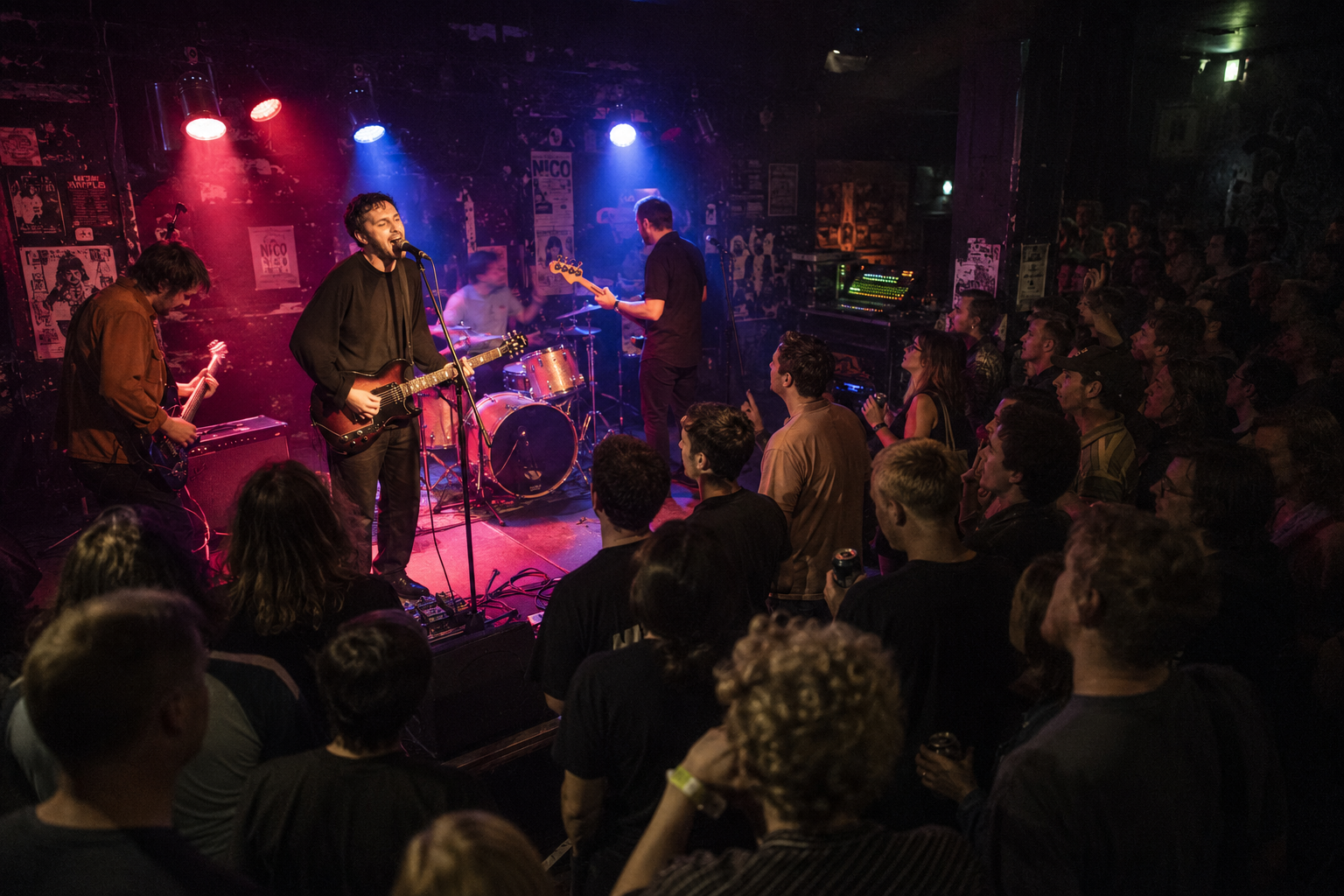
Thursday is now the peak trading night in most Australian cities. Melbourne is strong on both Thursday and Friday.
Major events pulled 4.3 million visitors across the year.
Lord Mayor Nick Reece said Melbourne's mojo was “running red hot at the moment”.
Which is not the version of this city in general circulation.
For two years the dominant story about Melbourne has been decline — out-of-control crime, businesses giving up, people getting out while they can. It runs nightly on Sky News and it will run through to the November state election.
The crime figures behind it are real. Offences are up 26 per cent over three years. Car thefts hit 31,851 last year, the highest since 2001-02 and more than double where they sat four years ago.
But the newest numbers have not caught up with the narrative.
In the year to March 2026, recorded offences fell 0.2 per cent, and the rate fell 1.9 per cent once population growth is counted. It was the first decrease in almost four years.
And the city is not emptying. Victoria passed seven million people last year. Melbourne is projected to reach 9.1 million by the 2060s.
Both things are true at once, and that is the part the loudest version leaves out.
A city can have a genuine crime problem worth arguing about and still be the busiest it has ever been after dark.
Melbourne just opened 177 venues, hired 3000 people to work in them, and turned over $5.1 billion between last drinks and closing time.
Somebody is going out.