Kmart’s K Home is now open, and it’s more fast furniture than IKEA killer
Kmart has opened its first standalone homewares store in Box Hill South, and the hype is louder than the 3,800-square-metre reality.
Kmart has opened its first dedicated homewares store, and the reviews are already breathless.
“Watch out IKEA!” ran one. Kmart is coming for the Swedes, apparently.
Here is the more measured version.
K Home opened on 18 June at 249 Middleborough Road, Box Hill South, in a space that used to be a Decathlon.
It is the first store of its kind in Australia — a national trial, built entirely around Kmart’s Anko home brand.
If it works, more will follow.
For anyone planning a visit, it is worth knowing what it actually is.
The store stocks the bulky furniture that has until now been online-only: couches, mattresses, shelving, bookcases, all laid out in styled room settings so you can see them in person before buying.
It carries everything Kmart sells except clothing and accessories — décor, kitchen and bathroom gear, bedding, plus the usual toys, tech and beauty.
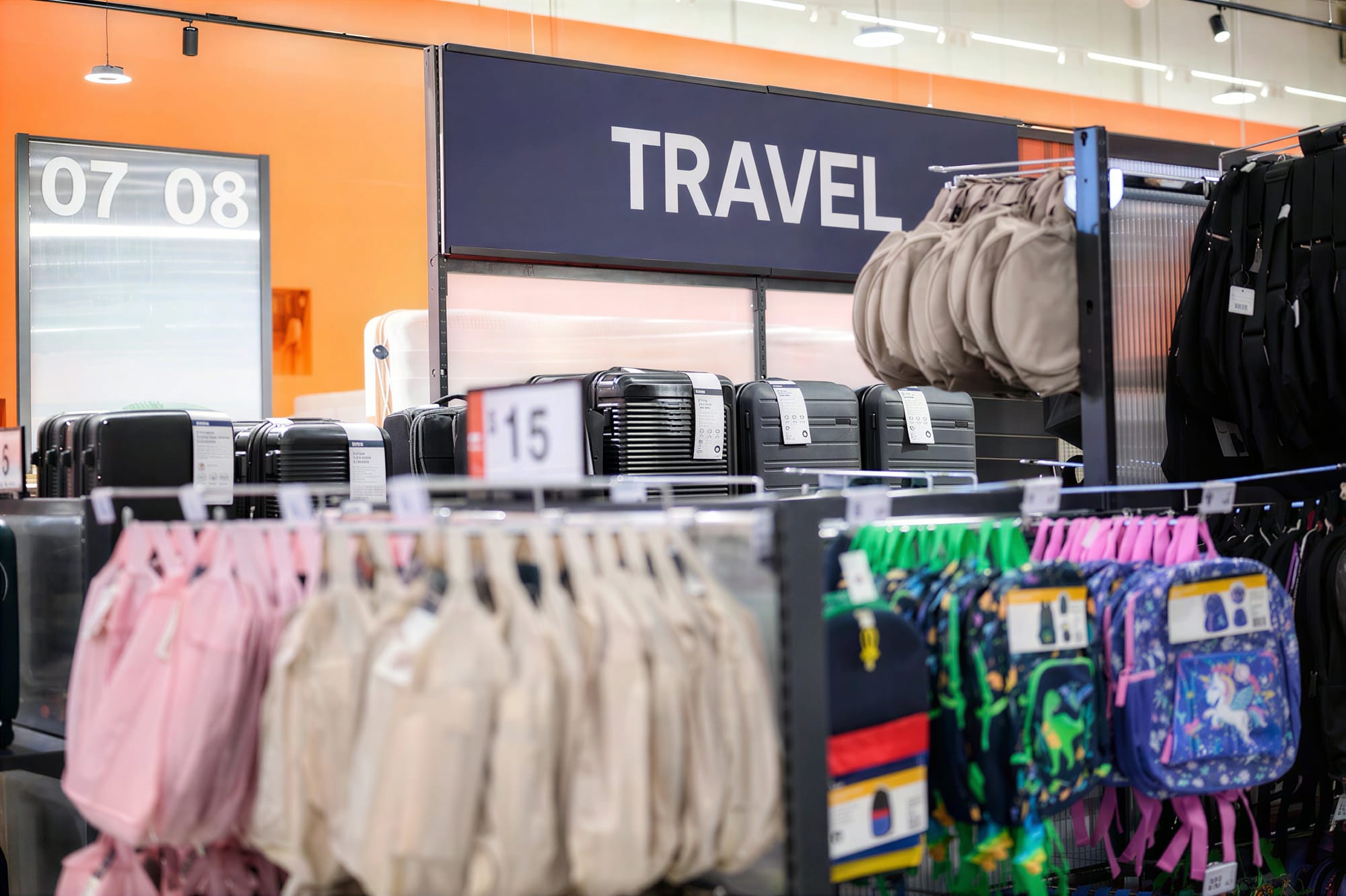
It is open seven days from 8am, with late nights until 9pm Monday to Friday.
The pitch is Kmart’s “low prices for life” promise applied to big-ticket items, and for anyone furnishing a first apartment on a tight budget, that is a genuinely useful thing.
Box Hill is a deliberate choice — one of Melbourne’s fastest-growing suburbs, thick with new apartments and the people who need to fill them cheaply.
So the store makes sense. The framing around it is the problem.
Start with the IKEA comparison.
K Home is 3,800 square metres — about the size of a supermarket, and slightly smaller than a full-line Kmart.
A typical IKEA is 25,000 to 38,000 square metres. K Home is a fraction of one, without the flat-pack labyrinth or the meatballs.
The small footprint is the entire strategy. It lets Kmart slot these stores into vacant shopping-centre space and roll them out fast — not square up to IKEA on scale.
Then there is what is actually on the shelves.
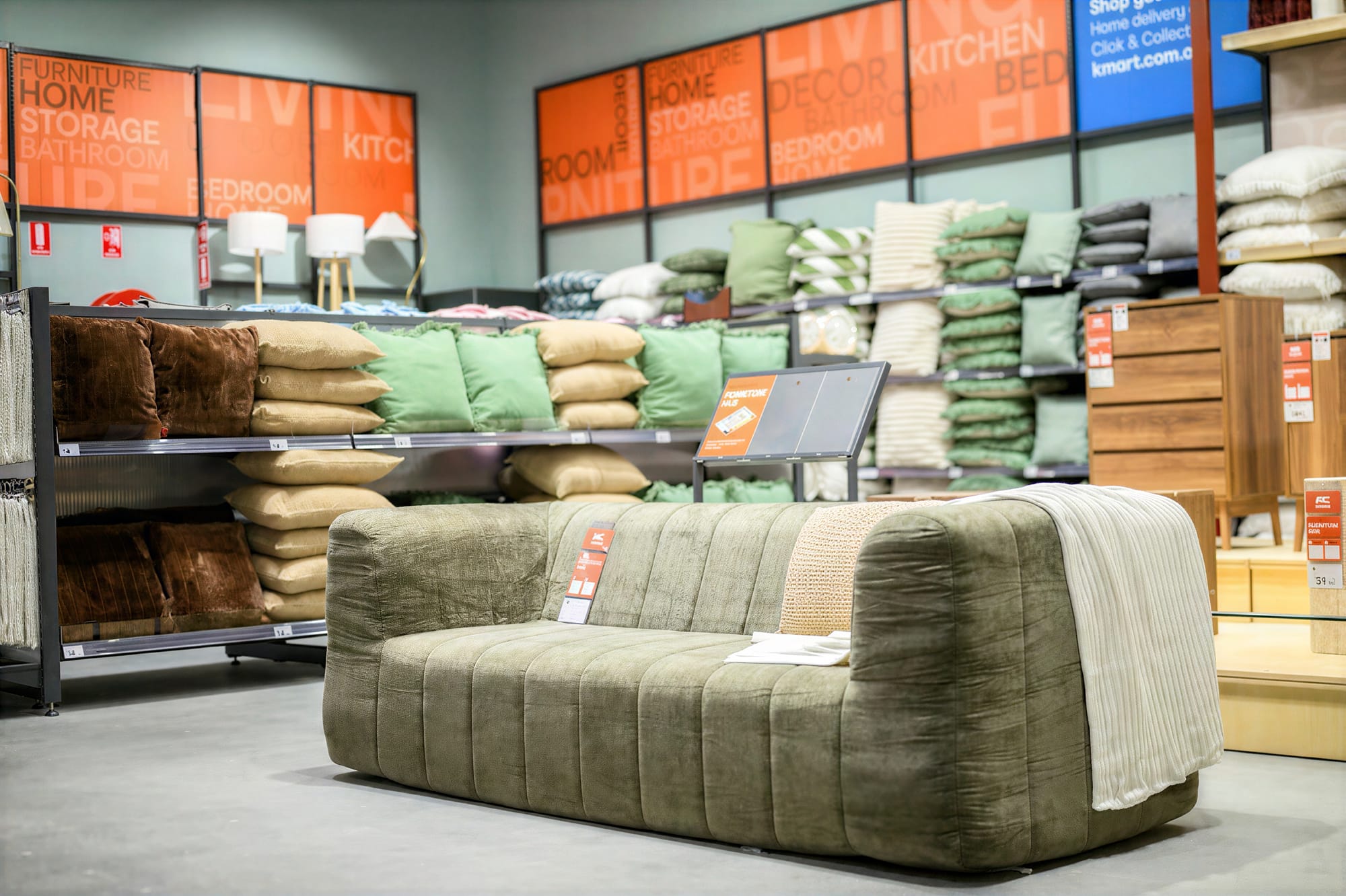
This is affordable, on-trend, mass-produced furniture, built to a price. Which is another way of saying it is fast furniture — the living-room version of fast fashion.
The same logic drives both: cheap, of-the-moment, made from particleboard and synthetics, designed to look good now and be replaced when the trend turns or the join gives way.
And it has the same ending.
Australians send tens of thousands of tonnes of furniture to landfill every year, and cheap, hard-to-repair flat-pack is a big part of why. Most of it cannot be recycled.
None of this makes K Home a villain. People priced out of Freedom and squeezed into small apartments deserve somewhere affordable to shop, and Anko is popular for a reason.
But “watch out IKEA” gets the story backwards.
Kmart has not opened a Swedish-scale furniture giant. It has opened a supermarket-sized shop that turns homewares into the same disposable, trend-chasing cycle we already learned to question with our clothes.
It is worth a look if you need a bookshelf.
Just don’t expect it to still be standing in ten years.