In the first three months of the under-16 social media ban, the number of kids using it fell from 85.9 per cent to 81.5
The eSafety data was collected in March and April and published today, more than seven months after the restrictions took effect.
The eSafety Commissioner has published the first evaluation of Australia’s world-first under-16 social media ban, covering the three months after it took effect on December 10.
Before the restrictions, 85.9 per cent of children reported using at least one social media platform. By the end of that window it was 81.5 per cent.
Account ownership fell further, from about 52 per cent to 42 per cent. Use did not follow it down.
The report surveyed 803 children aged 10 to 15 and their parents, with a baseline taken just before the ban and follow-up data collected across March and April. It is the first in a series running over two years.
It names the cause directly: ineffective implementation of age assurance measures by platforms.
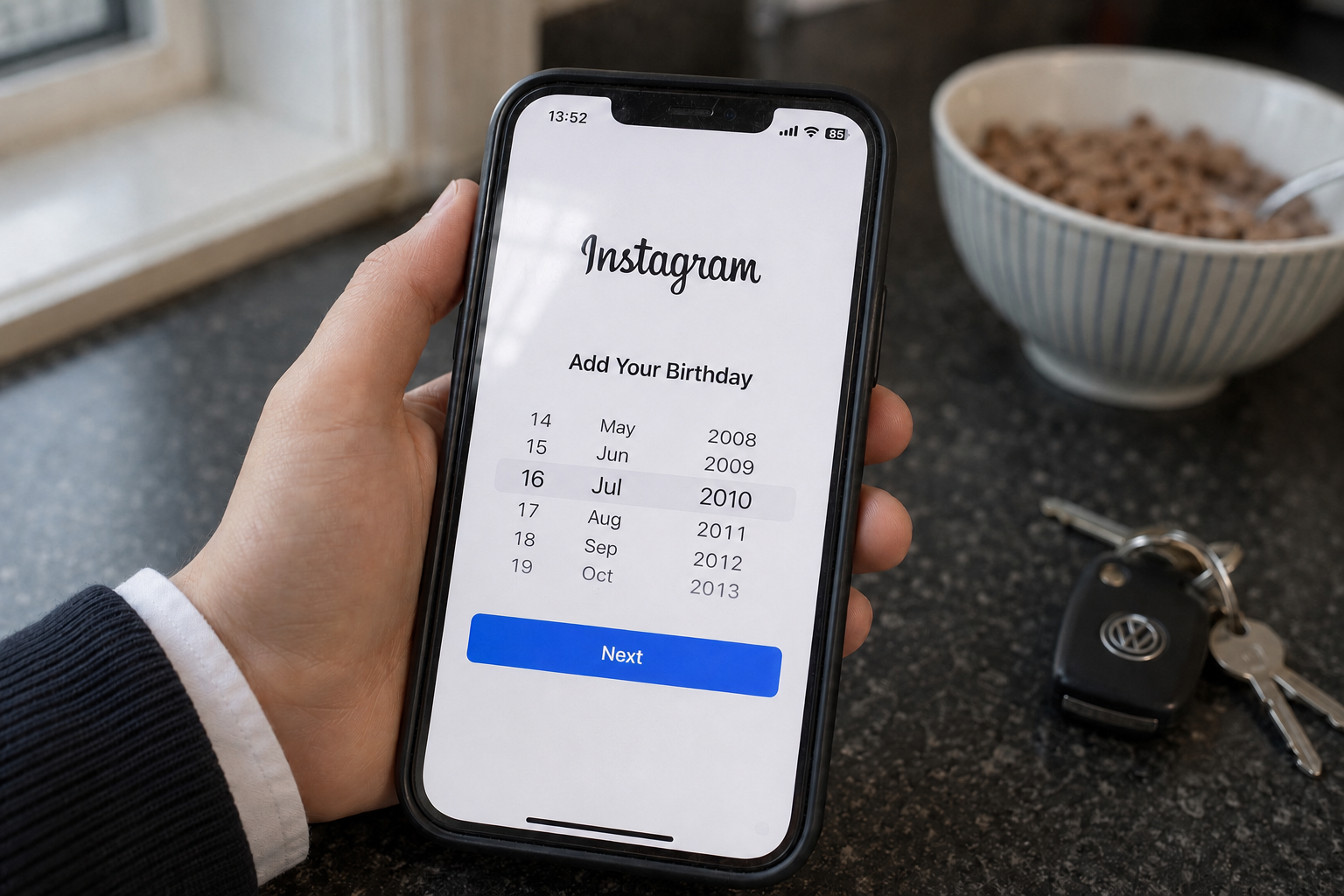
More than half the children said no platform had ever asked them to confirm their age. Another 37 per cent said they simply entered 16 or older. Some 18 per cent said a platform had estimated their age and got it wrong.
The report describes little need for children to rely on workarounds at all.
There were two findings the government will like less.
The proportion of parents who did not know their child was using social media rose by 10 per cent. And despite Anthony Albanese saying he hoped the ban would have children playing outside with their friends, the report found little to no change in what they did offline.
There were early signals of children moving to platforms outside the ban, including Reddit and Pinterest.
The legislation also does not restrict logged-out browsing, so a child locked out of an account can still scroll the feed.
The report lands while a Senate inquiry examines Labor’s bill to double the maximum penalty for non-compliance to $99 million and let eSafety compel documents from platforms and third parties. It reports in August.
eSafety told the inquiry it currently relies on what the companies tell it about themselves, and without primary documents would likely be unable to discharge the onus of proof in court.
The Age Verification Providers Association, which sells the age-checking software, went further and asked for a mandatory independent audit of every platform captured by the ban. It warned that a fine of any size could be a small price to pay if wearing it helped make the law look like a failure.
The Law Council said the drafting of the information-gathering power reaches beyond its intended operation and could capture children and their parents. Communications Minister Anika Wells said it would not, and that the companies are doing the bare minimum to comply.
Digital Industry Group Inc, which represents the platforms, opposed the larger penalty on the grounds that no fine has been issued yet.