Four women dead in seven days, and the news cycle had room for everything but them
Two women and two girls were allegedly killed by men they knew this week. The country found time for the Reserve Bank, Modi and the oil price, and barely a moment for them.
It was a busy news week.
The Reserve Bank fretted over inflation. Narendra Modi came to town. Universities argued over a definition of antisemitism, petrol crept up on the back of a war in the Gulf, and everyone had a view on house prices.
Room, in other words, for everything.
Except the four women and girls allegedly murdered by men they knew, in this country, in the same seven days.
Their names were Layla Jeffery, Lavanya Chappa, Jana Armstrong, and a 17-year-old girl whose name has not been released.
Layla Jeffery was 13.
She was killed on July 4.
On July 6, the 17-year-old was killed in a remote Indigenous community in the Northern Territory.
On July 7, Lavanya Chappa, a 39-year-old mother of two, was fatally stabbed at a home in Melbourne’s eastern suburbs. Her children, aged 13 and seven, were inside. Her husband has been charged with her murder.
That same day, 30-year-old Jana Armstrong was reported missing in Toowoomba. Her car was found abandoned down the street. Her body was found days later in bushland, and a man known to her has been charged with her murder and with setting fire to her car. Her four-month-old son, still breastfeeding, is now in the care of her sister.
Four killings. Four days. All of them, police allege, at the hands of men the victims knew.
Australian Femicide Watch records Jana Armstrong as the 37th woman killed in this country this year.
Last year the figure was 79. The year before, 106.
These are not freak events. They are a pattern, and the pattern is the most predictable thing in Australian public life. Every week, more names. Every week, the same silence where the response should be.
Consider what outrage looks like when the country decides something matters.
When house prices dipped this week, there were panels, headlines, warnings about the economy and the great Australian dream. When young men are killed in a one-punch attack on a night out, governments move within days — new laws, new penalties, lockouts.
The capacity for urgency exists. It is simply not extended to women killed in their own homes.
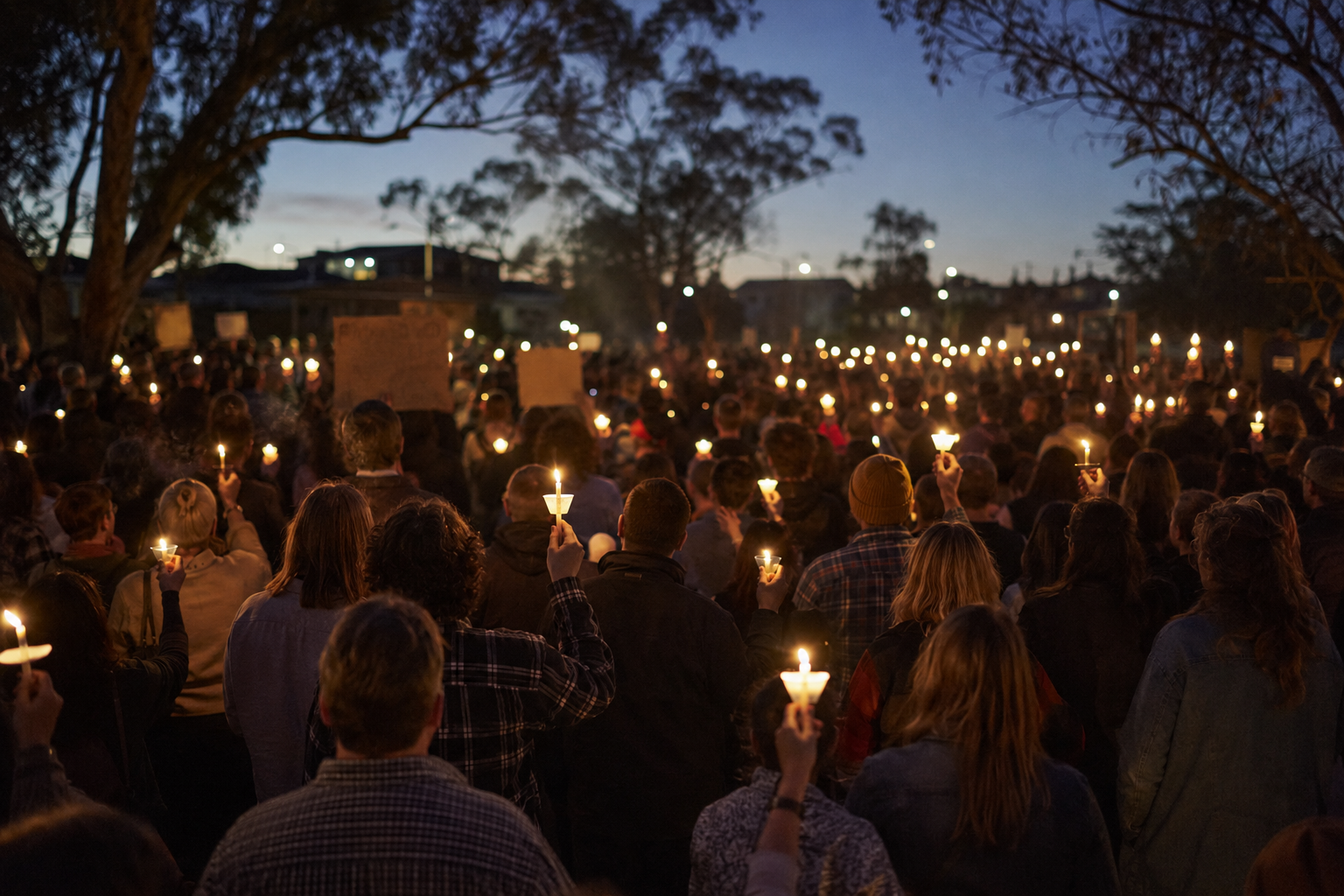
No major party has called for a royal commission into this. No major masthead has demanded one. The staunch law-and-order voices, so reliably loud about crime in the street, fall quiet when the crime is committed against a woman behind a front door.
What the country gets instead is the solemn nod. A statement of sadness. A modest, one-off tranche of funding, announced and forgotten.
The national domestic violence commissioner, Michaela Cronin, put it plainly this week. “It’s heartbreaking and frustrating that we are not able to do more to intervene and help prevent them,” she said. “We need to have this national conversation, not just when these horrific homicides happen.”
She is right, and the reason it doesn’t happen is a matter of will, not knowledge.
We know what the frontline looks like. Specialist services are turning away hundreds of people a day. In Queensland, police field more than 500 domestic violence calls a day — and a specialist unit set up to handle exactly those cases was recently defunded on the basis that it wasn’t “core police business.”
If protecting women from the men most likely to kill them isn’t core business, it is fair to ask what is.
The money exists too, when the priority is right. This is a country that has committed $368 billion to a handful of submarines that will not arrive for another two decades.
The threat killing women is not offshore, and it is not twenty years away. It is here, and it is now, and it kills more Australians than any of the dangers we insist on spending real money to counter.
Four women and girls are dead this week.
The least they are owed is a country that looks up from the news long enough to notice.
If you or someone you know needs support: 1800RESPECT (1800 737 732), DV Connect Women’s Line (1800 811 811), MensLine (1300 789 978), Lifeline (13 11 14).