Data centres will be blocked from building near homes and schools. Queensland says it will let them run on coal.
Anthony Albanese takes the rules to national cabinet on Wednesday, and two governments are arriving opposed to the part that matters most.
Data centres will be blocked from building near homes, schools and prime farmland under rules Anthony Albanese will take to national cabinet on Wednesday.
The prime minister will detail the obligations in a speech to the Business Council of Australia dinner on Tuesday night.
New data centres will have to put more renewable energy into the grid than they take out.
They will have to minimise water use.
They will have to be appropriately sized for where they are, and avoid land that could be used for housing instead.
"Australia is in a strong position to attract investment in data centres, but maintaining social licence will be essential," Mr Albanese will say.
"That means ensuring energy bills do not rise, water security is maintained and locations are appropriate."
The housing clause has an address.
Developer NextDC wants to build a data centre in Macquarie Park, in Sydney's north, on a site next to a metro station.
The City of Ryde has objected, arguing it wastes the transport infrastructure and works against the housing shortfall.
Under the rules Mr Albanese is proposing, that proposal does not proceed.
Getting the rules is the harder part.
Queensland Premier David Crisafulli will arrive at national cabinet opposed to the requirement that data centres buy their power from new renewable projects.
He says it will drive investment away and push power prices up.
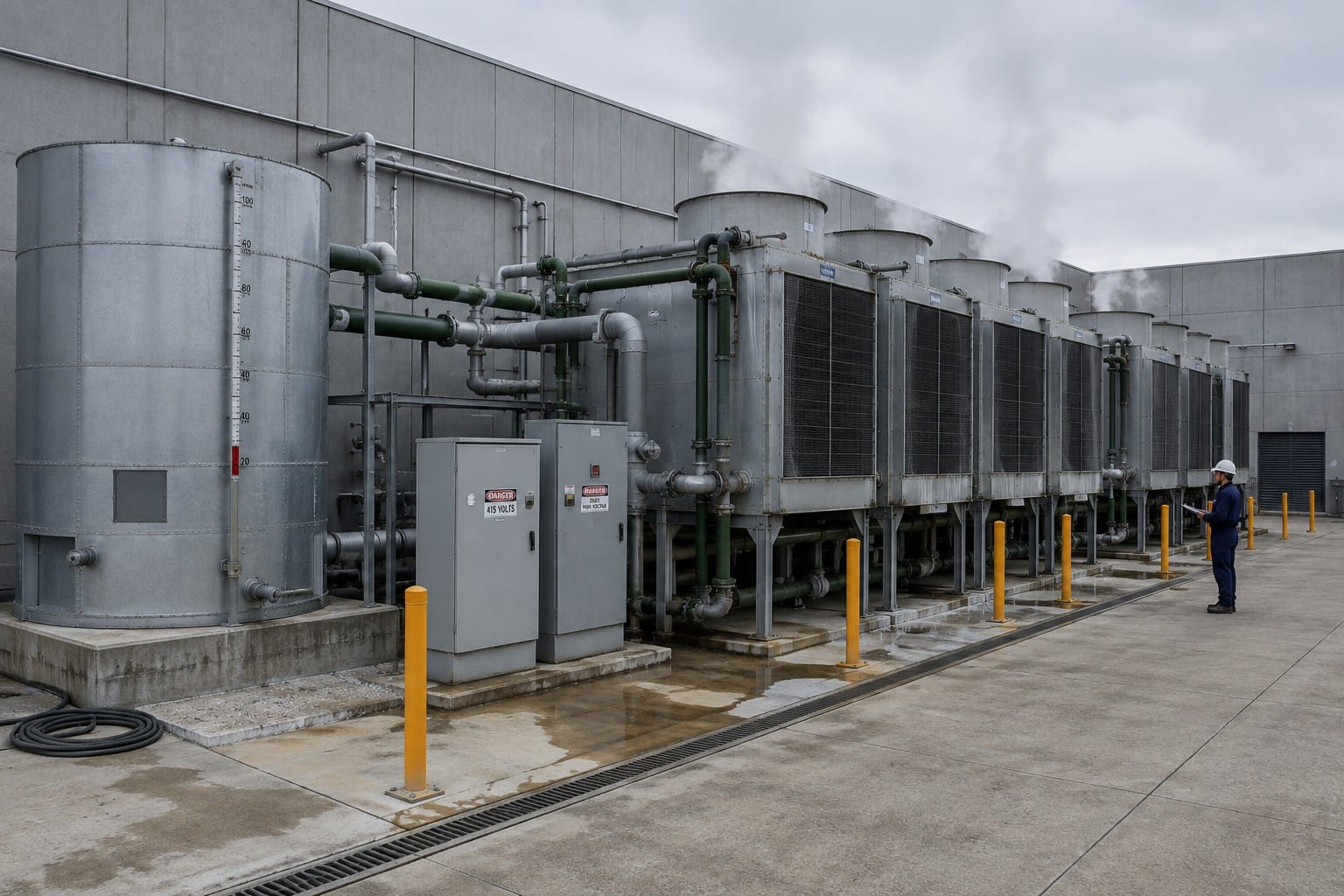
His government is writing its own version, which allows data centres to run on gas and coal, and requires local consultation and water protections instead.
"We are technology agnostic. And by doing so, we will be able to bring on all forms of energy," he said on Monday.
The Northern Territory has taken the same position.
Which is why the Commonwealth has already decided how this ends.
Energy Minister Chris Bowen has flagged legislating the energy rules next year regardless of who signs, using federal law to override any state that holds out and to stop developers shopping between jurisdictions.
Mandatory requirements are due in early 2027.
Business Council chief executive Bran Black will use the same dinner to argue Australia cannot afford to fall behind on AI adoption, and will release a roadmap aimed at making the country a top-10 investment destination.
He will also restate business opposition to the budget's tax changes, to an industrial relations system he calls complex and out of balance, and to what he describes as excess regulation.
Mr Albanese will make the geopolitical case in the same breath as the environmental one.
"Getting this right can ensure Australia is the infrastructure partner for our region, aided by our status as a Five Eyes partner," he will say.
That is the pitch. Build here, because we are inside the intelligence tent.
The rules are the price of entry, two governments have said they will not charge it, and Canberra has decided it will charge it for them.