Australia has bought its first bird flu vaccine. It cost $2 million and it cannot stop the spread.
The 1500 vials will go to zoos, sanctuaries and captive breeding programs, with states given days to name the threatened species that get them first.
Australia has bought its first H5 bird flu vaccine, and it will not stop the virus.
Agriculture Minister Julie Collins said on Tuesday the government had secured 1500 vials, worth about $2 million, for birds in captivity: zoos, sanctuaries and breeding programs holding threatened species.
Wild birds will be vaccinated where possible. The priority is the ones behind wire.
"We cannot stop the H5 bird flu from spreading amongst wild birds. But we can take action to protect the species most at risk, and the vaccination is now part of that response," Ms Collins said.
States and territories have days to name the species that get a dose first. The vaccine has to be given twice to work.
Chief Veterinary Officer Beth Cookson said its effectiveness in wildlife was still unknown.
"It is not a standalone solution. Biosecurity will remain important, the protection of these species," she said.
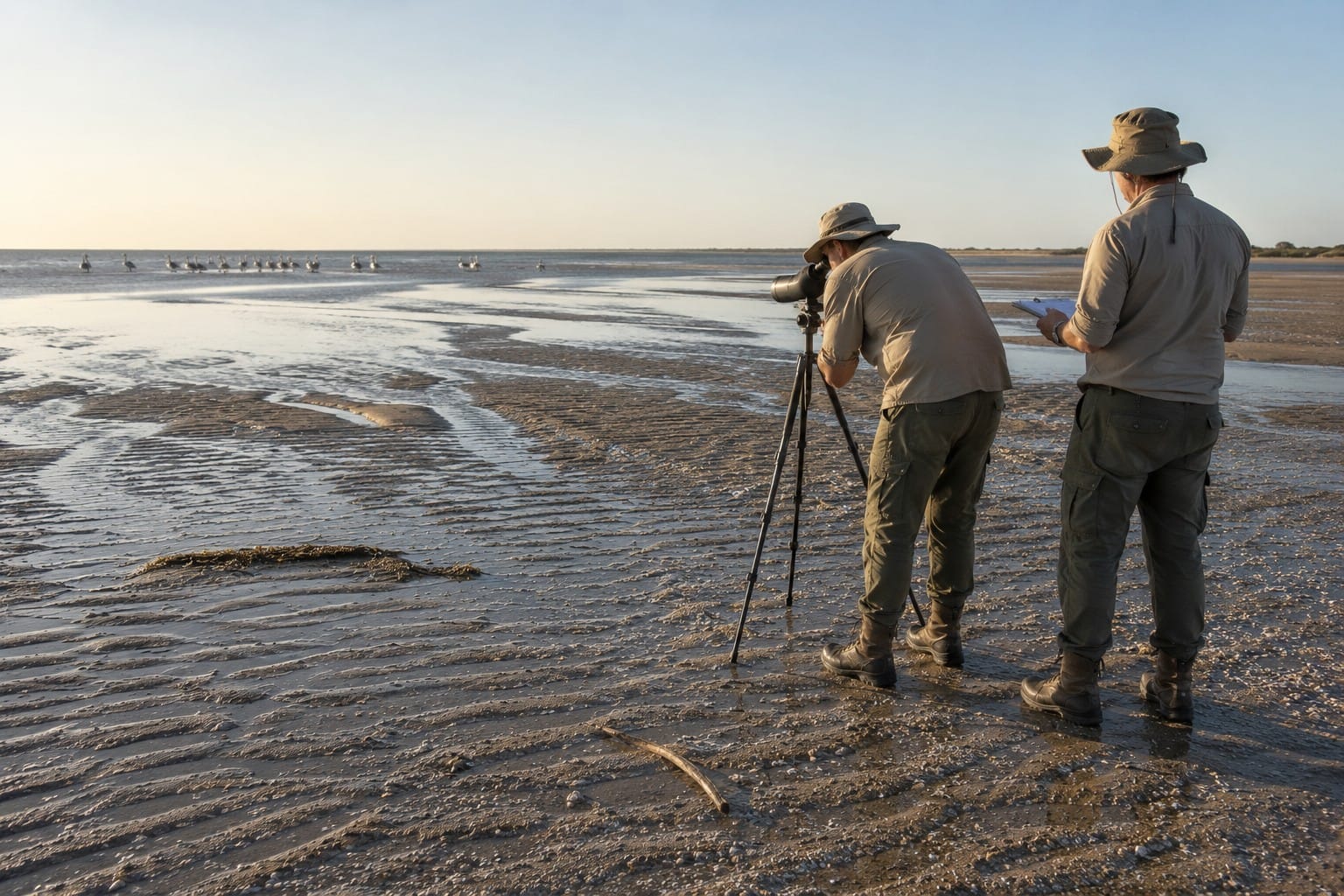
"It's the right approach if we want to keep or conserve those species," Adelaide University associate professor Mohammed Alsharifi said.
The virus reached the mainland on June 20, in a brown skua found near Esperance in Western Australia.
By Monday the agriculture department had confirmed 231 detections in wild birds, and none in poultry or anywhere else in agriculture.
Counting them is about to stop. Ms Collins said reporting would shift to confirmed H5 events — new locations, new species, new areas of risk — because case numbers no longer showed how the disease was moving.
"Australians should expect to see more spread and larger numbers, particularly of dead birds and mass mortalities around the country from the H5 bird flu," she said.
This strain has not touched the egg industry. The last time bird flu emptied the shelves it was H7, and only because about one in 10 of the nation's laying hens — up to 2.4 million birds — was killed to stop it.
Egg prices rose 19.1 per cent in the year to June 2025.
Invasive Species Council chief executive Jack Gough said close to one in five native birds and mammals sits at high, very high or extreme risk on the government's own assessment.
"We have a tsunami about to break over them from this H5N1 bird flu," he said.
He named pelicans, black swans, cormorants and cassowaries, and called the next four to five years a rolling disaster for wildlife.
His council wants $200 million over two years for feral predator control and habitat work. He said the government was openly considering it.
The vaccine cost about $2 million.
Close to one in five of the country's birds and mammals are on the list. There are 1500 vials.