Your frozen berries and your weekend bag probably travelled the same route to get here
The AFP found 110 kilograms of cocaine in a frozen berry shipment at Port Botany last week — the latest in more than a tonne of drugs seized from the same cold-chain containers that stock Australian supermarket freezers.
IT is early on a Saturday morning in Australia. Somewhere in one part of town someone is waiting on an overpriced bag of cocaine. In another, someone is making a smoothie from a bag of frozen fruit they bought under fluorescent lights and 40 security cameras in the freezer aisle at Woolworths.
The coincidence is that both products may well have rubbed shoulders on their journey here.
Last Tuesday, Australian Border Force officers at Port Botany found 110 bricks of cocaine hidden inside a refrigerated shipping container of frozen berries from Chile. Street value: $36 million.
It was not a one-off.
The AFP has seized more than a tonne of cocaine from refrigerated containers since April 2023, all concealed inside the engine compartments and panels of the same cold-chain infrastructure that brings frozen fruit into Australian supermarkets. Cocaine seizures at the border are up 23 per cent on last year.
The drugs are hidden by syndicates before containers are loaded overseas. Tracking devices are attached so operatives in Australia can monitor the shipment and break into ports or warehouses to retrieve the product after it clears customs. Legitimate companies shipping legitimate goods have no idea their containers have been compromised.
But the frozen berry containers are only half the story.
When Australians think of cartels they think of drugs, mass killings, or maybe $350 missing from their bank account and a runny nose on a Sunday morning. They do not think about avocados.
They should.
The Jalisco New Generation Cartel — the CJNG — was until February the most powerful criminal organisation in Mexico. Its leader, Nemesio "El Mencho" Oseguera Cervantes, was killed by the Mexican military on February 22 in a raid backed by US intelligence.
The retaliation was immediate: 250 roadblocks across 22 states, cars set alight, highways shut, 25 members of Mexico's National Guard killed.
The CJNG built its fortune trafficking cocaine, methamphetamine and fentanyl. But as fentanyl collapsed the price of heroin, the cartel diversified into what researchers call "green gold" — avocados, limes, chickens and tortillas.
Michoacan, the state that produces more than 80 per cent of Mexico's avocados and $2.5 billion in annual exports, is now ground zero for cartel extortion of the agricultural sector.
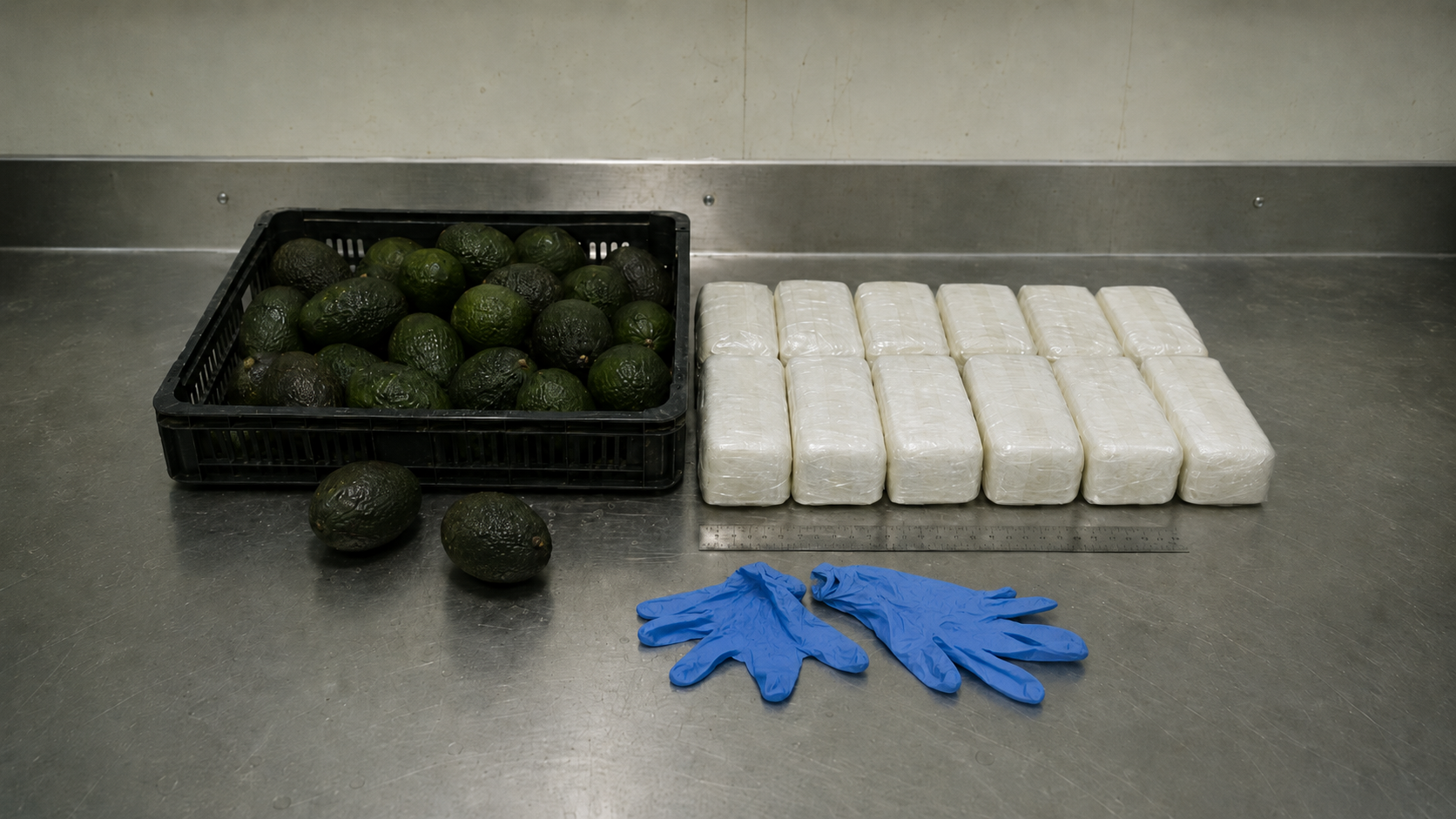
The CJNG charges avocado producers a monthly protection fee calculated per hectare cultivated or kilogram exported. Farmers who do not pay are kidnapped or killed. At least four truckloads of avocados are stolen every day.
Cartels have moved into the forests with chainsaws and machine guns to establish their own orchards. They control transport routes and infiltrate packing plants, skimming profits before avocados reach an export container.
This is not a fringe theory. It is documented by the University of Maryland's Tracking Cartels project, InSight Crime, peer-reviewed research published in ScienceDirect, and confirmed by Michoacan's own attorney-general.
Australia imports frozen fruit from Chile and South America when domestic supply cannot meet demand. Woolworths, Coles and Aldi all stock frozen berries and fruit sourced from Chile, Argentina, Peru and Costa Rica — the same regions and cold-chain shipping routes that cartels exploit to move cocaine into Australian ports.
That does not make them complicit. But the supply chain that fills the freezer aisle is the same cold-chain infrastructure that cartels exploit to move cocaine, and the agricultural sector at the other end is controlled through extortion by the same organisations trafficking the drugs.
One product is bought on a dark street. The other under fluorescent lights with a loyalty card. Both fund the same machine.
The AFP put it plainly in January 2025: "Illicit drug use in Australia bankrolls dangerous and brutal criminals who undermine our national security and our economy."
What they did not say is that buying the frozen mangoes might too.